Habitat study
The Netarts Bay Watershed: Habitat Study, Restoration Plan, and Limiting Factors Analysis
Prepared by Demeter Design, 2008, for the Tillamook Estuaries Partnership.
Netarts Bay is a saline-dominated estuary of about 2,000 acres. Streams draining a watershed of about 14,000 acres provide habitat for coho, steelhead, and chum. In 2007 the Tillamook Estuaries Partnership named the watershed a priority for restoration in Tillamook County. This study surveyed the streams with the most flow, measured spawning gravel, and wrote a restoration plan for coho, steelhead, chum, and cutthroat habitat.
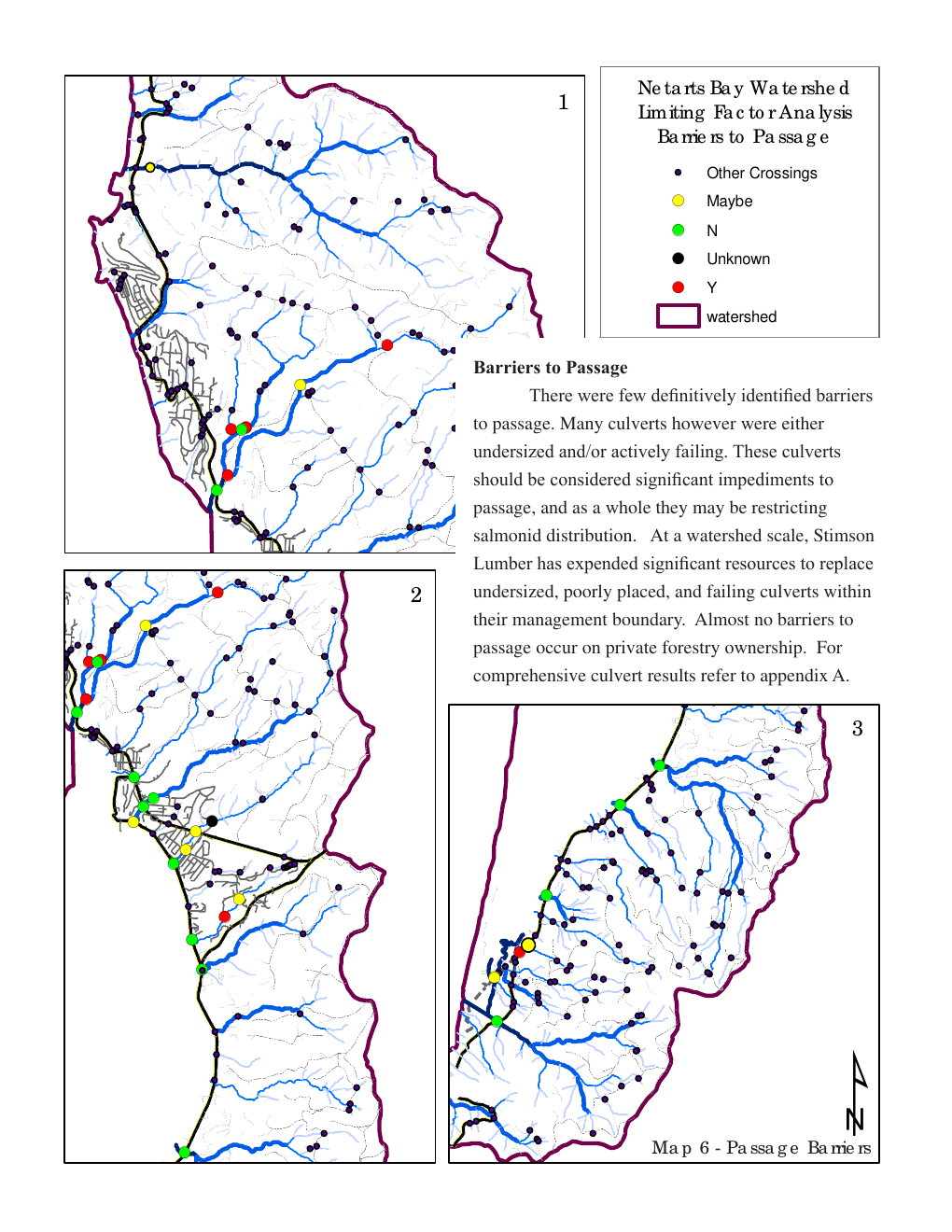
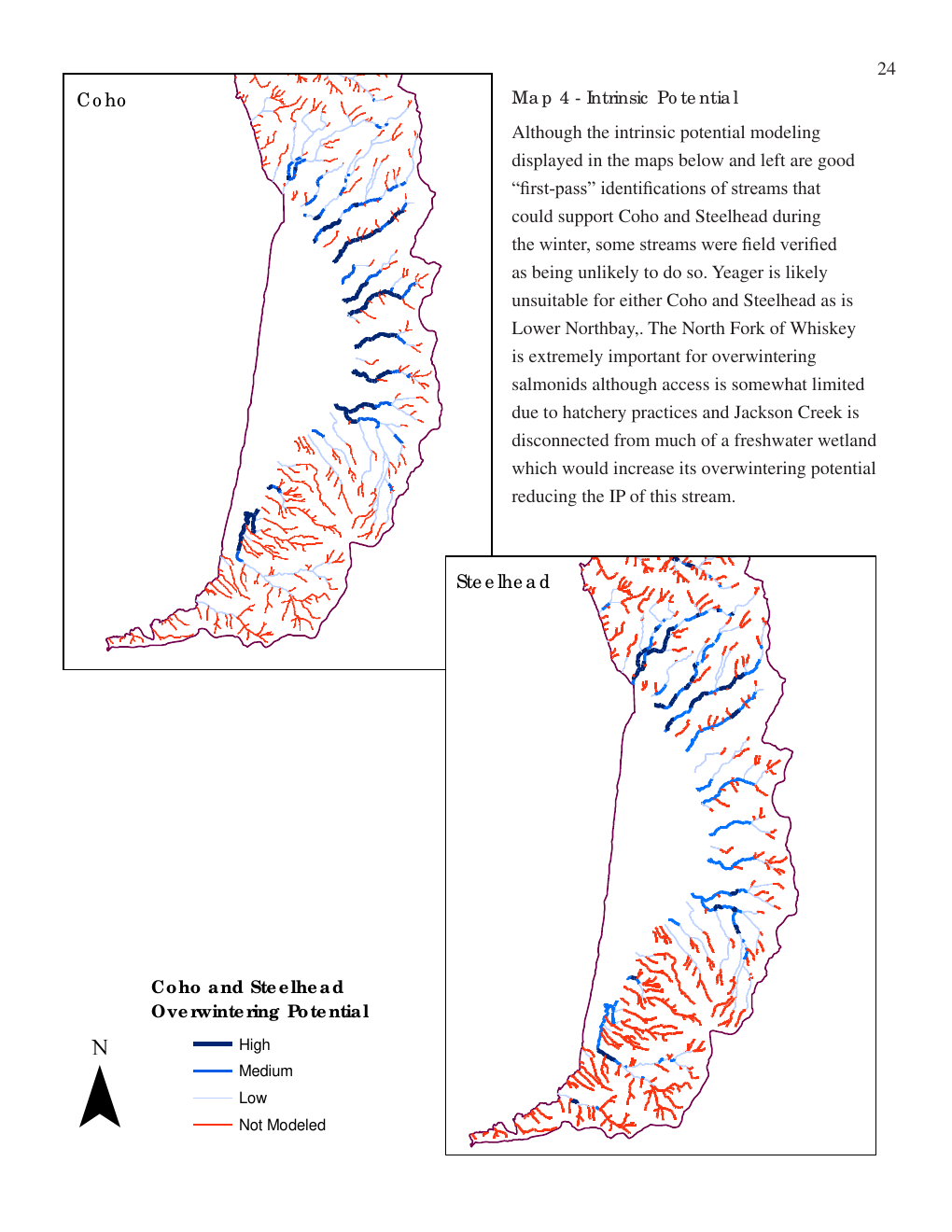
Every stream in the watershed has had some human disturbance, and spawning or rearing habitat has been degraded. Few barriers stop fish completely, but many culverts on property outside timber ownership are too small or failing. For chum, the main limit is a lack of well-sorted spawning gravel, largely because wood in the channels is low. Coho are limited by poor or missing spawning habitat and, equally, by poor summer rearing habitat. The rearing limit is not temperature. Summer temperatures recorded on Ocean Going Jackson, O'Hara, and Fall Creeks did not exceed state water quality standards. Salmon numbers are low. The top restoration priority is the channel form needed to sort and store spawning gravel. Conservation is the highest priority, so the varied habitat in the watershed can be kept and improved.